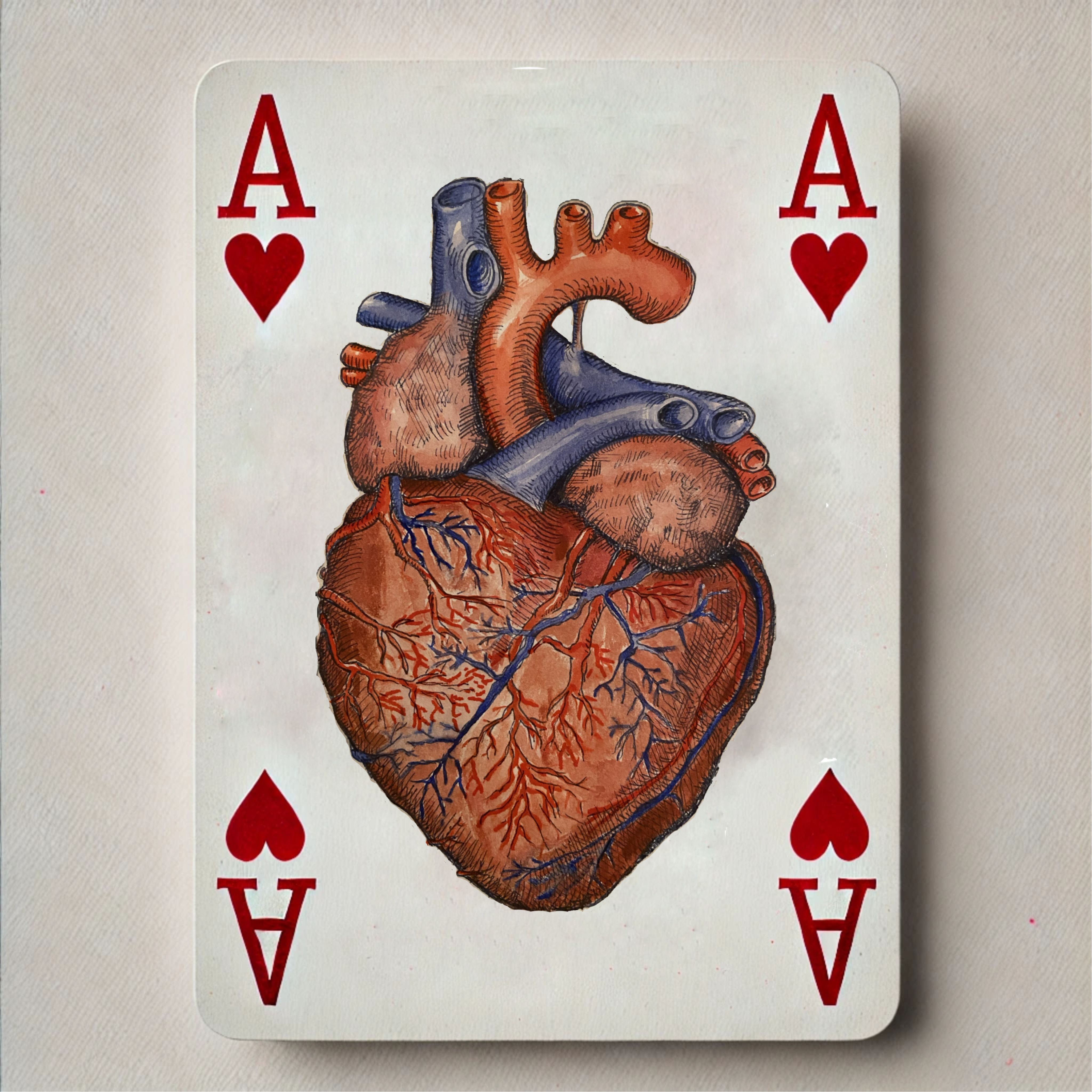
Karl Marx observed: "The anatomy of humans is key to the anatomy of apes." Similarly, by examining
the material traces of contemporary playful performances, we uncover epistemic connections and cultural patterns that go beyond
the surface-level family similarities (Ludwig Wittgenstein) of games—whether they are perceived as stories, products,
art, or simply childish activities.
We aim to pin down how exactly culture is originally played (Johan Huizinga). By
paying attention to both the frivolous and the serious, games open a window into contemporary ways of communicating knowledge.
Current trends in pre-packaging playful experiences via media systems, crowd funded board games or designing escape rooms
give us the materialist clues to understand their predecessors in different cultural contexts. We will dive into the media
history of toys, boards, books, cards, and interfaces, tracing how these artifacts imply knowledge and generate information
through simulation. This approach provides both a critique of contemporary game design and a speculative foundation for rethinking
ludology as a discipline in its own right within the current context of popular new materialism.
ProgramThe Anatomy of Games is a public workshop — a playful laboratory for inter- and transdisciplinary research practices. How
does play ossify? How is it turned into games and ultimately culture? Together with international scholars and game designers,
we trace the outlines of a potential Ludology: a consistent scienctific practice evolving around games and play — not yet
as a fixed field, but as a shifting, experimental practice. Over the course of one day, we will:
- Test an interdisciplinary
approach to uncover how tacit knowledge is processed through the act of play — in a pre-discursive space.
- Co-create
a deck of cards, treating game design itself as a form of research, placed at the intersection of art and science — tactile,
poetic, and open-ended.
- Engage with the male and female cycles as a rhythmic foundation for collective creativity
and playful exchange — moving beyond flow as cognitive metaphor.
- Discuss the promises and challenges of Ludology within
the contemporary academic landscape — as well as its potential for intentionally shaping urban spaces to strengthen the public
sphere; the social fabric of the infra-ordinary.
Led by escape game designer Francine Boon, and framed by a final
panel with philosopher Gabriele Gramelsberger, this event invites all those who are curious about the hidden architectures
of knowledge — their game systems, playful sensualities, unanticipated futures.
ludology.uni-ak.ac.at